Current candidate not verified
State endorsement
Utah-specific form absent
Availability evidence
No official pet-specific offer retained
Quote ZIP
No residential ZIP selected
Checked date
October 8, 2026

Audit Utah pet health insurance documents for the right issuer, eligible pet and usable treatment arrangements.
Use these checkpoints to frame the literal question before reading the full guide.
For pet health insurance in Utah, verify the legal issuer and the Utah-specific terms before relying on a national product description. Then confirm that the offer accepts the pet at its residential ZIP. This page provides a document audit; it has not established a current Utah product shortlist or local premium.
The sections below show how to verify the answer and what can change it.
Ask for a coherent packet: declarations, benefit schedule, base policy and all Utah amendments. The brand on the shopping page should lead to a named risk-bearing insurer in that packet. Use Utah Insurance Department consumer resources as a route for checking the company and seller; a regulator’s presence does not certify a pet’s enrollment or recommend the product.
| Insurer/product | State endorsement | Availability evidence | Quote ZIP | Checked date |
|---|---|---|---|---|
| Current candidate not verified | Utah-specific form absent | No official pet-specific offer retained | No residential ZIP selected | October 8, 2026 |
| Packet to obtain | Version paired with base policy | Official eligibility response for actual pet | Utah home address ZIP | Save source timestamp |
Keep a short discrepancy log. If the marketing page says “any vet,” but the packet uses narrower provider or treatment-location wording, record both passages and seek clarification. Do not resolve a disagreement by choosing whichever statement seems more attractive. Likewise, a schedule that omits an optional benefit should not be silently filled from a sales-page example.
Keep policy terms, deductible, reimbursement and limits beside the quote so the comparison stays consistent.
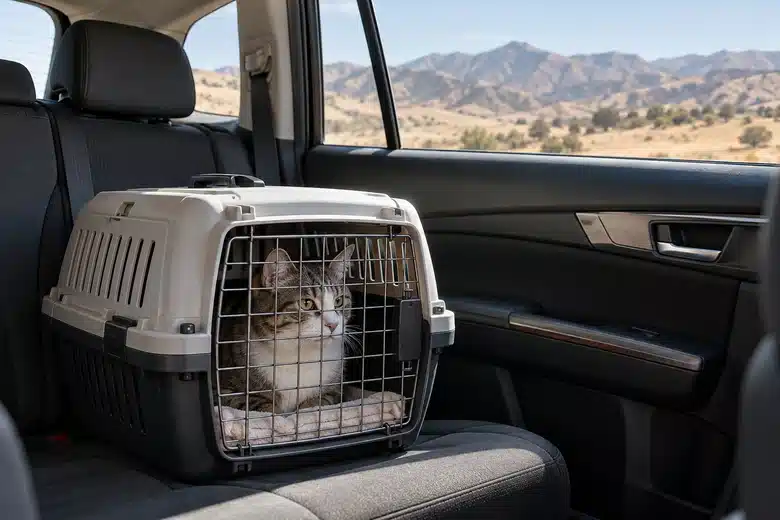
For a Utah household that may visit a specialist outside its usual town, distinguish the animal’s insured residence from the treatment location. Ask whether the relevant provider qualifies, whether referral or preauthorization is required, and whether geographic treatment restrictions apply. The mountain scene on this page is context for travel logistics, not proof of a specific clinic, network or local service area.
| Matched detail | Evidence to retain | If it differs |
|---|---|---|
| Species, age and breed | Same enrollment profile | Explain why eligibility is not comparable |
| Residence | Same actual Utah ZIP | Do not claim a locality price effect |
| Event scope and options | Same selected benefits | List omitted protection explicitly |
| Deductible, percentage and cap | Same payment design | Calculate a separate scenario |
| Offer date | Dated official result | Do not call older evidence current |
No Utah cost average or provider review score is supplied here. Those are different evidence exercises: a cost estimate needs matched local prices, while a review ranking needs a defined dataset and method. This audit stops at the documents and availability checks needed before either exercise becomes meaningful.
The state regulator resource is verified, but no named issuer lookup result, Utah product amendments or matched local quote set was obtained. A current local recommendation therefore remains open rather than being replaced with a national shortlist.
It may be useful context, but the insurer’s applicable contract and eligibility decision determine the insurance question.
Do not assume either answer. Check the treatment-location provision in the actual policy.
These links provide independent government, academic or reference background. Actual policy wording controls insurance eligibility, benefits and claims.
Keep the policy terms beside the price, then continue to rates when the comparison is clear.